
Concentration
How many there are
Sperm per millilitre and total count. A low count points toward hormonal, obstructive, testicular or lifestyle causes — each with a different approach.
The semen analysis is cheap, fast and changes the direction of the whole process. Here's what it measures, what each parameter means, and how the male evaluation is sequenced — through the clinical framework of the Abraham Project.
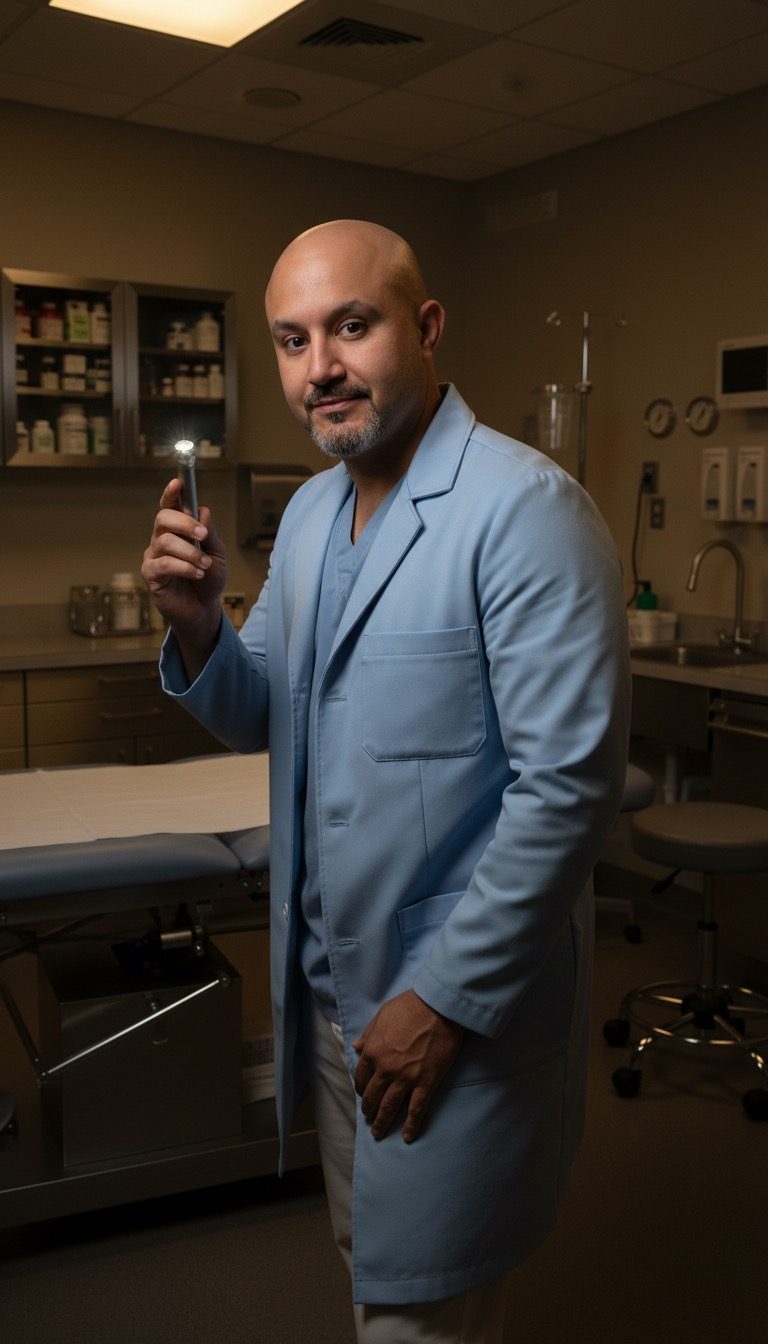
In a large share of couples struggling to conceive there is a male factor involved, alone or alongside a female one. Even so, the man is usually studied months — sometimes years — after she is. Starting there saves time, money and wear.
With 2 to 5 days of abstinence and a confirmatory second sample. One abnormal result defines nothing on its own: biological variation between samples is real and expected.
Physical examination — including looking for varicocele — plus a hormone panel: total and free testosterone, FSH, LH, estradiol and prolactin. Many abnormalities have an identifiable cause.
Sperm DNA fragmentation (DFI), oxidative stress markers, ultrasound and, where indicated, genetic testing. This is where you decide whether to correct, treat or refer.
Reference values describe populations, not people. Being below them doesn't mean infertility, and being above them guarantees nothing. What matters is the whole pattern.
Sperm per millilitre and total count. A low count points toward hormonal, obstructive, testicular or lifestyle causes — each with a different approach.
Progressive, non-progressive and immotile. It's the parameter most sensitive to heat, to sample processing time and to the sperm cell's mitochondrial function.
Percentage of normal forms under strict criteria. It carries the most variation between labs, so it is always interpreted alongside the rest — never alone.
Sperm DNA fragmentation index. A semen analysis can look normal and still carry a high DFI; it is associated with implantation failure and recurrent early loss.
Imbalance between reactive oxygen species and antioxidant capacity. It's the mechanism linking varicocele, smoking, obesity, heat and pollution to sperm damage.
Sleep, weight, alcohol, tobacco, scrotal temperature, medications, anabolic steroids and duration of exposure. Without that history, any lab report is incomplete.
A semen analysis is not a verdict.
It's the starting point.

The Abraham Project is my educational line on male fertility. It began as a review of the evidence on supplementation and became a full study system: a manual, a stratification algorithm and a decision framework. It is educational material to help you understand your case — not a consultation, a diagnosis or a prescription.
Not every case looks alike, and treating them identically is why so many generic protocols fail. The system classifies by which axis dominates the problem.
The sperm cell's mitochondrial and energy axis. The profile most sensitive to external factors, and usually the first to respond.
The production axis. Requires a full hormone panel, a search for varicocele and ruling out obstructive causes.
The maturation axis. Always read alongside other parameters; in isolation it says far less than people assume.
The DNA integrity axis. It can coexist with a normal-looking semen analysis and changes the reproductive outlook entirely.
The environmental axis. The common denominator behind much of the rest, and the one most driven by habits and exposures.
From the simple, correctable case to the one needing referral to assisted reproduction. What changes isn't just the plan: it's the time horizon and the expectation.
Four formulations built for a specific profile, not to "improve fertility" in general. They are in development and not yet available for sale.
The system's base formulation, designed as a common starting point across the program's profiles.
Aimed at the sperm cell's mitochondrial and energy axis.
Aimed at cases with elevated sperm DNA fragmentation.
Aimed at the balance between reactive oxygen species and antioxidant capacity.
Not necessarily. A single abnormal result does not establish a diagnosis: variation between samples from the same man is high and depends on abstinence, a recent fever, transport time and the lab itself. The usual step is to repeat it a few weeks later before concluding anything, and always to read it alongside the physical exam and hormone panel — with your treating physician.
The sperm DNA fragmentation index measures damage to the genetic material the sperm carries. It isn't part of the standard semen analysis; it's ordered separately. It becomes especially relevant with recurrent early pregnancy loss, implantation failure, or normal results without conception — because a sample can look fine under the microscope and still carry a high DFI.
Because that's roughly one full spermatogenesis cycle plus epididymal transit. Any change introduced today — habits, correcting an identified cause, supplementation — takes about three months to show up in a sample. Re-testing before that window is usually premature.
No. The evidence on supplementation for male fertility is heterogeneous and, at best, supports the rest: correcting what's correctable, managing weight, alcohol, tobacco and scrotal heat, and treating identified causes such as varicocele where appropriate. Anyone promising you a result from a capsule is selling you something.
No. The Abraham Project is a framework for evaluating and teaching male fertility. A portion of cases — the most complex ones — require referral to assisted reproduction, and the stratification system exists precisely to identify those early rather than delay them.
If you've been trying for more than a year, the semen analysis isn't the last step. It's the first.